Embracing Change: The API Evolution
Aleksandra Sikora, @aleksandrasays
whoami
- open-source engineer @
- 🧗♂️
- org of Wrocław
previously
- .js Maintainer
- cc
🐦 @aleksandrasays
🐙 @beerose
🐘 @aleksandra@mas.to
🌎 https://aleksandra.codes





Software ≈ Fashion
🤯
your work project VS your side project



Paris Fashion Week Feb '23


👗 💻 📈





🗺
Why are we talking about APIs?
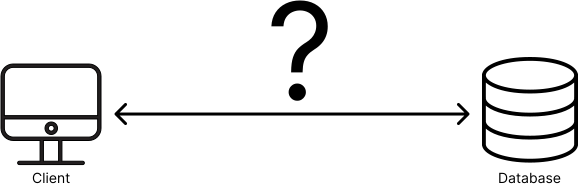

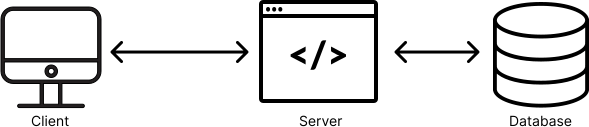
Server & Client
Server & Client
🥴
Server & Client
😭
API Layer Problems
Boilerplate
Lost typesafety
Repetitive error handling
🤔
API Layer Problems
Fullstack TypeScript app
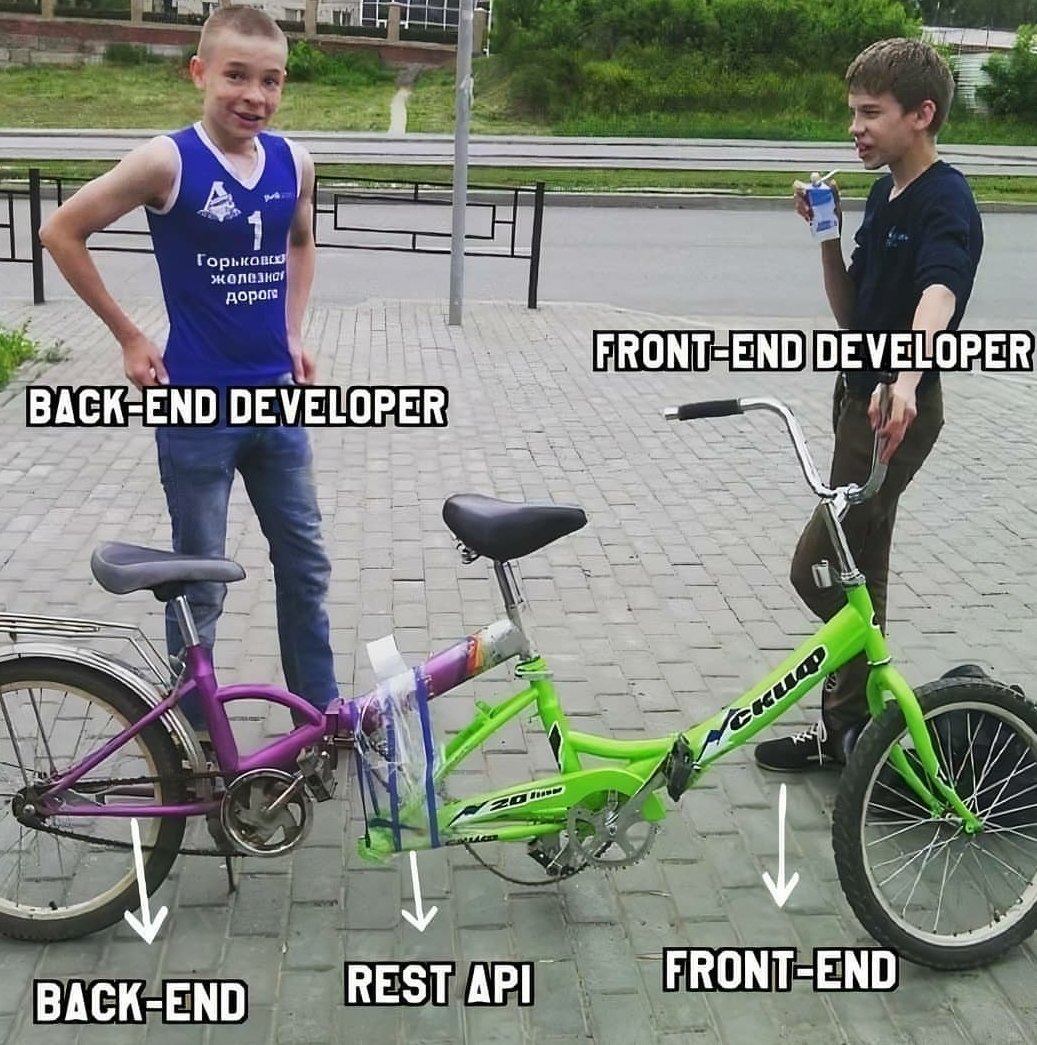
TYPE-SAFE
TYPE-SAFE

RPC
1981
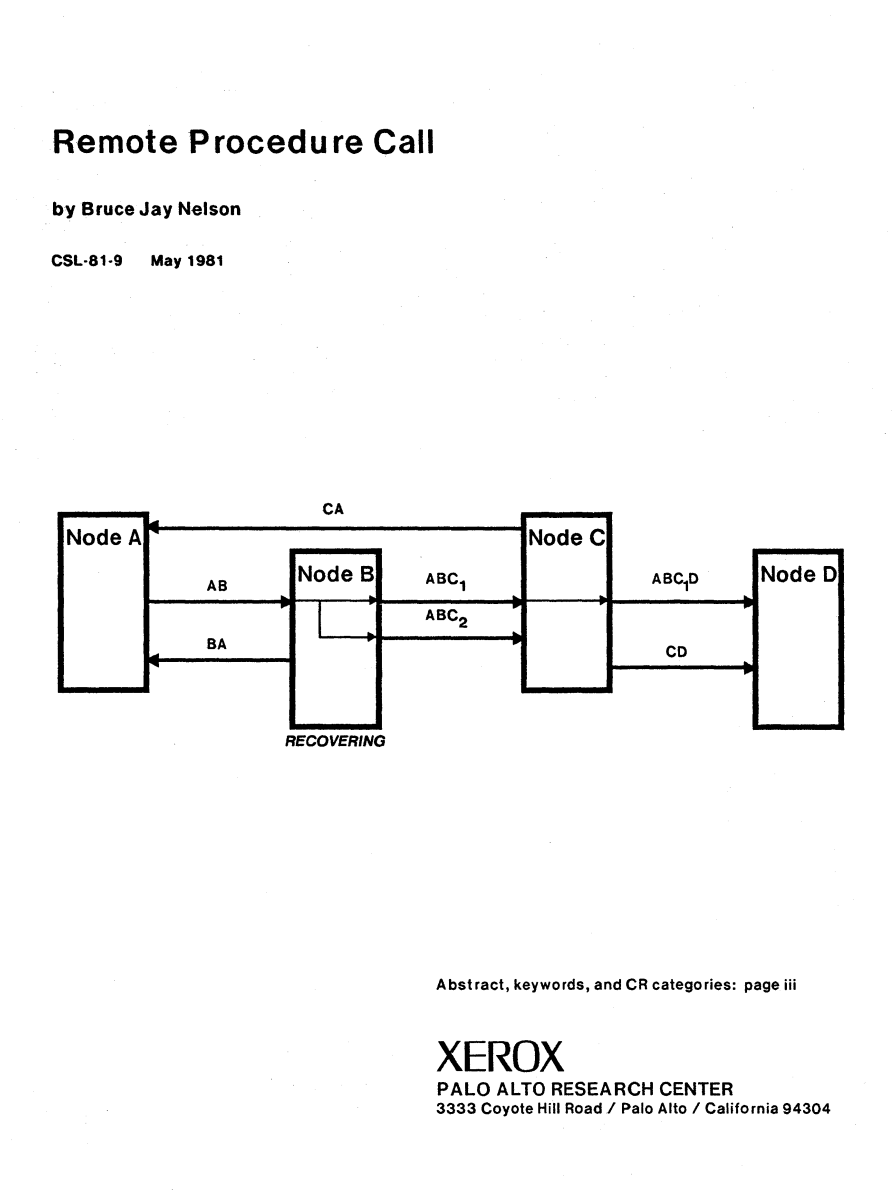
What is RPC?
// one-computer.js

function welcome(name) {
  return `Hello, ${name}!`
}

const greeting = welcome("Helsinki!")
//    ^ "Hello, Helsinki!"
// server.js

function welcome(name) {
  return `Hello, ${name}!`
}

startImaginaryServer({ welcome })
// client.js

const greeting = await fetch(
  `https://aleksandra.says/rpc/welcome`,
  { body: JSON.stringify("Helsinki") }
)
What is RPC?
calling remote procedures as if they were local

😌
🥴
RPC -> non-agnostic
RPC -> non-agnostic
—————
now we're looking for sth
object oriented programming
CORBA
1991
NOT ÇORBA


AND NOT COBRA
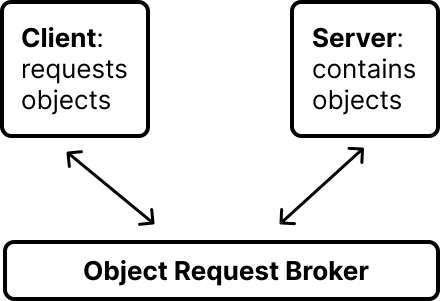
module Finance {
  typedef sequence<string> StringSeq;
  struct AccountDetails {
    string     name;
    StringSeq  address;
    long       account_number;
    double     current_balance;
  };
  exception insufficientFunds { };
  interface Account {
    void deposit(in double amount);
    void withdraw(in double amount)
                        raises(insufficientFunds);
    readonly attribute AccountDetails details;
  };
};
IDL
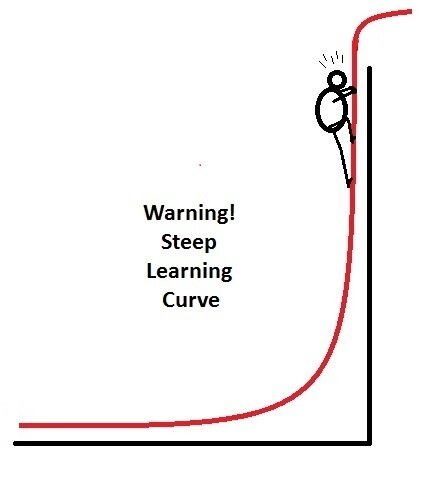
Developer trying to learn Corba
CORBA -> complex
simple
- -
CORBA -> complex
now we need
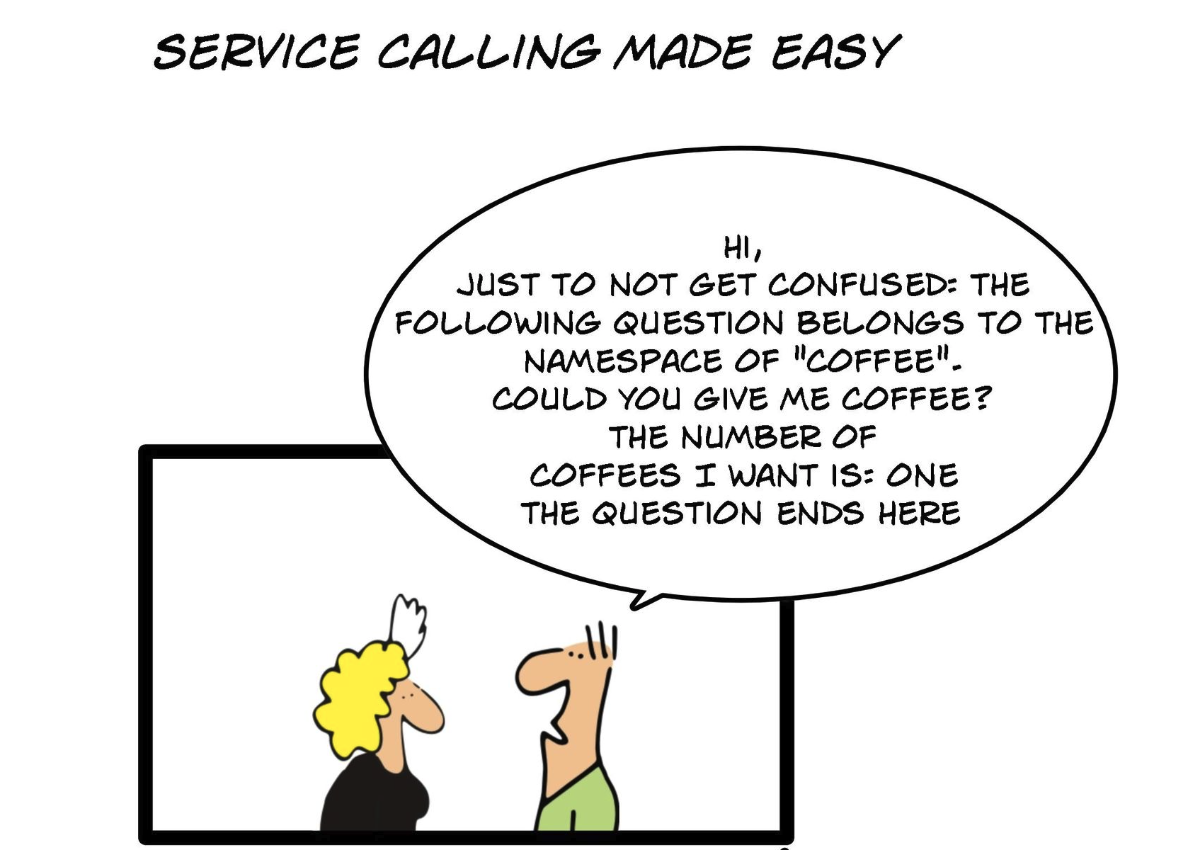
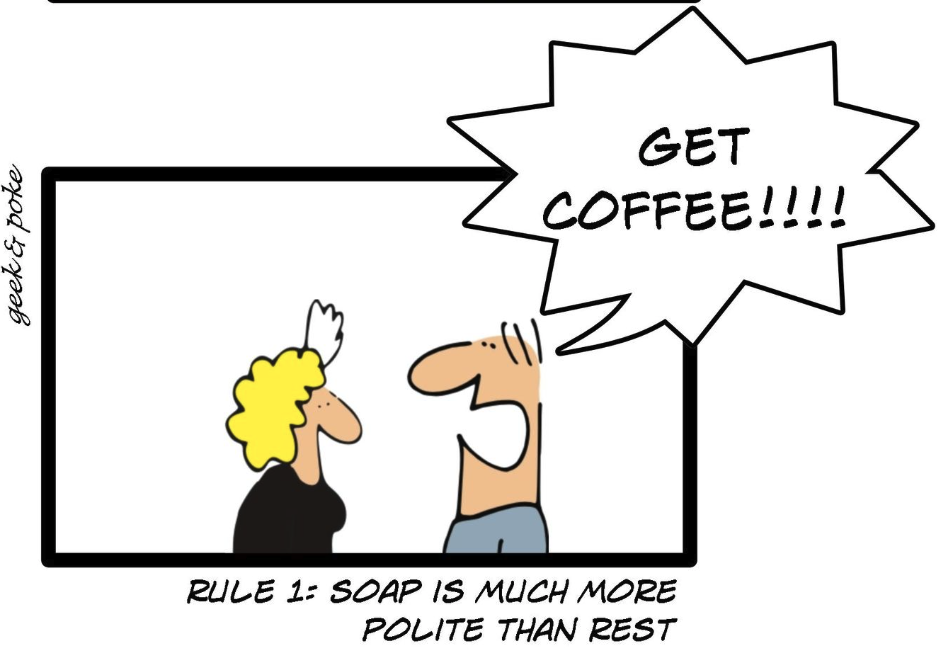
SOAP
1998
<?xml version="1.0"?>
<soap:Envelope
xmlns:soap="http://www.w3.org/2003/05/soap-envelope/"
soap:encodingStyle="http://www.w3.org/2003/05/soap-encoding">
  <soap:Body>
    <m:GetUserResponse>
      <m:Username>Tony Stark</m:Username>
    </m:GetUserResponse>
  </soap:Body>
</soap:Envelope>
<?xml version="1.0"?>
<soap:Envelope xmlns:soap="http://www.w3.org/2003/05/soap-envelope">
<soap:Header>
</soap:Header>
<soap:Body>
<m:GetUser>
<m:UserId>123</m:UserId>
</m:GetUser>
</soap:Body>
</soap:Envelope>🔐 ✈️
SOAP -> heavy
light
-
SOAP -> heavy
now we're looking for sth
REST
2000
When the web started to change
Can request and update resources
Exposes resources
| Operation | RPC | REST |
|---|---|---|
| Login | POST /login | POST /sessions |
| Logout | POST /logout | DELETE /sessions |
| Get user by id | GET /getUser?id=123 | GET /users/123 |
| Get user's todo items | GET /getTodos?userId=123 | GET /users/123/todos |
| Add new todo item | POST /addTodo | POST users/123/todos |
| Update todo item | POST /updateTodo | PUT /todos/1 |
| Delete todo item | POST /deteteTodo | DELETE /todos/1 |
RPC vs. REST
JSON-RPC
RESTful
"REST"
REST -> inflexible
-
REST -> inflexible
time for something
GraphQL
2012
REST API
GraphQL API
API
App
GET users/
GET tasks/
GET tags/
API
App
POST graphql/
Body:
{ "query": "query { users {...} }" }
vs
Client controls the data it gets
User 1
Task 1
Task 2
Tag 1
Tag 2
query {
  user(id: 1) {
    name
    tasks {
      name
      status
      tags {
       id
      }
    }
  }
}
name
surname
age
status
name
priority
name
priority
status
description
id
Tag 3
id
description
id
description
id

GraphQL -> extra work & type-safety
-
GraphQL -> extra work & type-safety
-
-
for free and out of the box
Yves Saint Laurent
1968
2020

RPC
2020
Revisiting the original promise of RPC
1981
?


🦠
Source: https://www.vice.com/en/article/m7azaa/best-baggy-oversized-clothes
👀


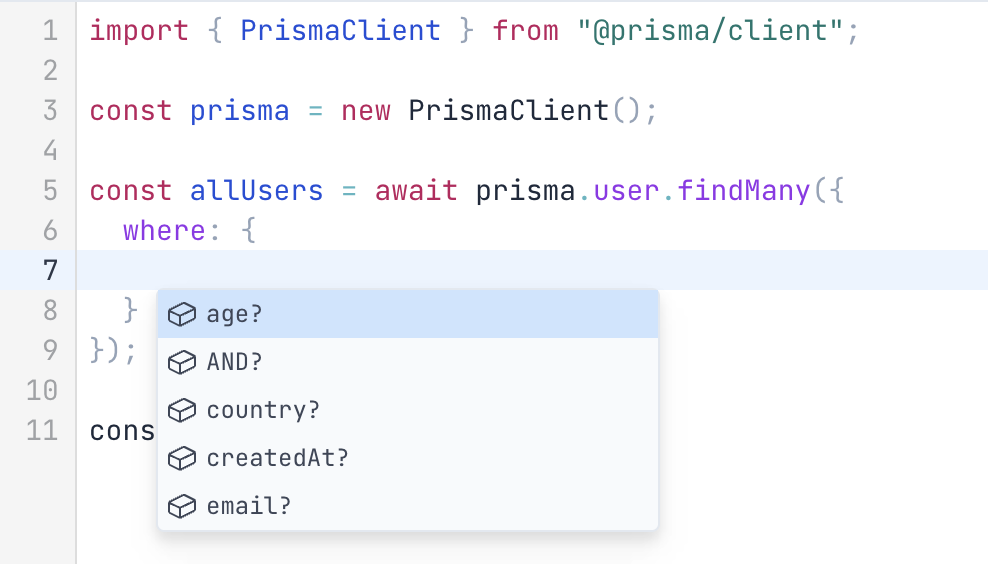
Fullstack TypeScript app
Fullstack TypeScript app
Fullstack TypeScript app
tRPC query & mutation procedures
Remix loader pattern
React Server Components
Qwik City
Blitz RPC query & mutation resolvers
pRPC
Blitz RPC
Blitz RPC
// src/queries/getProject.ts (runs on the server)
import db from "db"
import * as z from "zod"

const GetProject = z.object({
  id: z.number(),
})

export default async function getProject(
  input: z.infer<typeof GetProject>
) {
  // Validate the input
  const data = GetProject.parse(input)

  const project = await db.project.findOne({ where: { id: data.id } })

  // Can do any processing, fetching from other APIs, etc

  return project
}
Blitz RPC
// src/pages/index.tsx (runs on the client & server)
import { useQuery } from "@blitzjs/rpc"
import getProject from "src/projects/queries/getProject"

function Index() {
  const [project] = useQuery(getProject, { where: { id: 1 } })

  return <span>{project.id}</span>
}
Blitz RPC
// src/pages/index.tsx (runs on the client & server)
import { useQuery } from "@blitzjs/rpc"
import getProject from "src/projects/queries/getProject"

function App() {
  const [project] = useQuery(getProject, { where: { id: 1 } })

  return <span>{project.id}</span>
}
🤔
tRPC
RPC in the same file as in:
- @builder.io/qwik-city
- @tanstack/bling
server$
server$
import { useQuery } from '@tanstack/react-query';
import { server$ } from '@tanstack/bling';


export default function Index() {
  const { isLoading, error, data } = useQuery({
    queryKey: ['project'],
    queryFn: server$(async () => { // 🤯
      return await db.project.findOne({ where: { id: input.id } });
    })
  })

  if (isLoading) return <span>Loading...</span>;
  if (error) throw error;

  return <span>{data.id}</span>;
}
React Server Components
// app/page.tsx
import { db } from '../db';
import { Counter } from '../components/Counter.tsx';

export default function Page() {
  const posts = await db.posts.select('name', 'slug');

  return (
    <div>
      <Counter />
      <ul>
        {posts.map(post => (
          <li key={post.slug}>
            <a href={`/blog/${post.slug}`}>{post.name}</a>
          </li>
        ))}
      </ul>
    </div>
  )
}
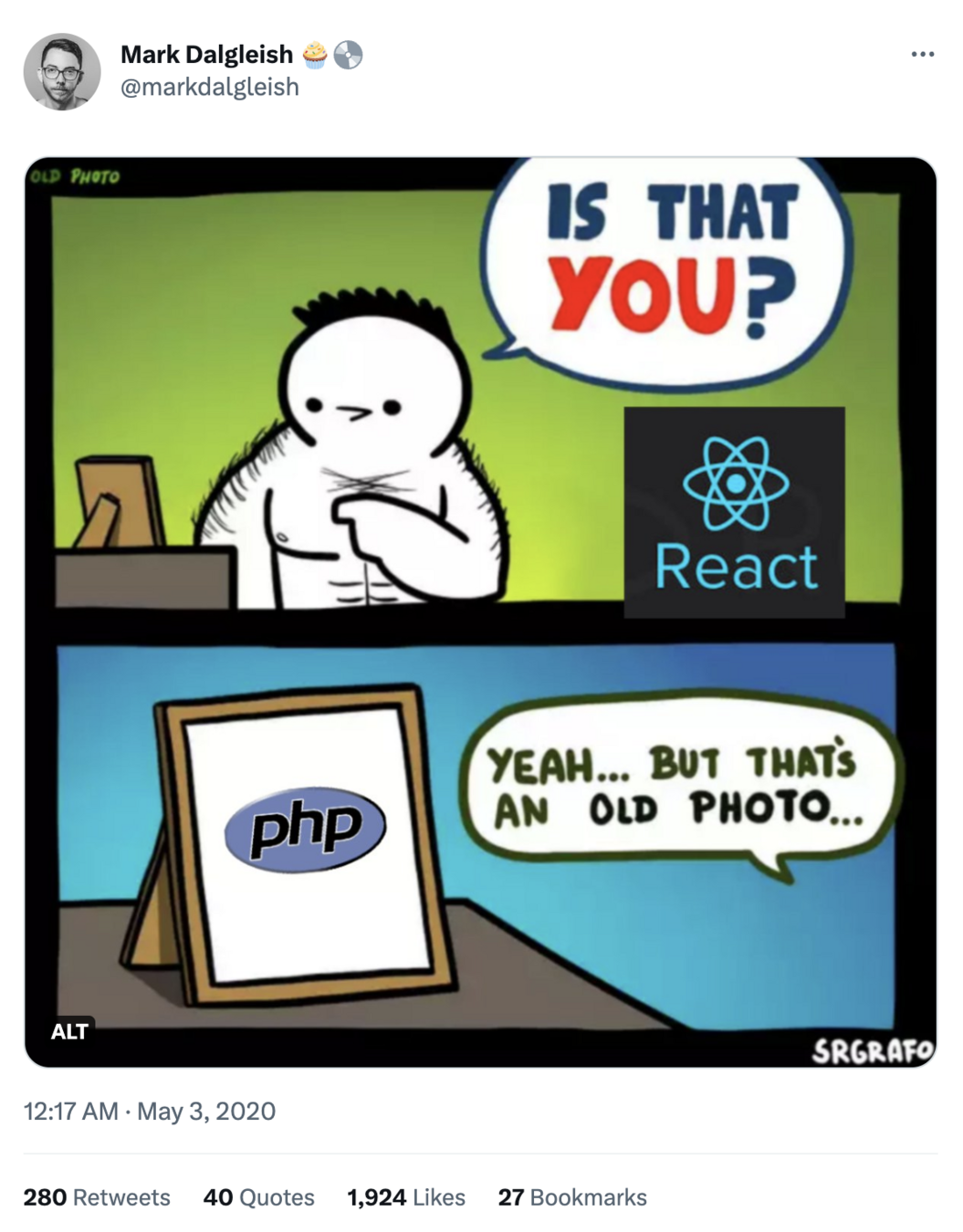
Source: https://twitter.com/markdalgleish/status/1256800146118959109

Chloé, Spring 2023
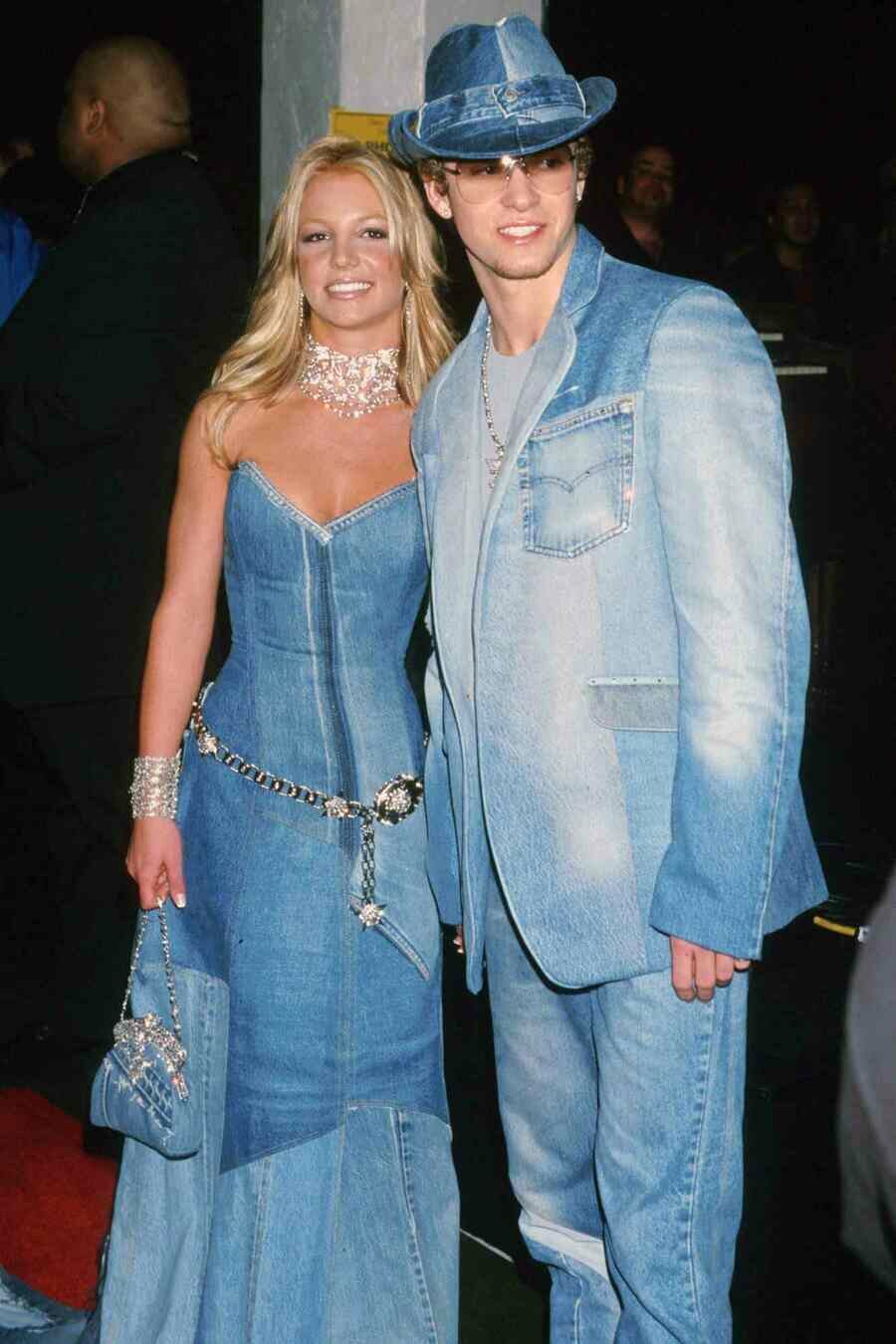
2001
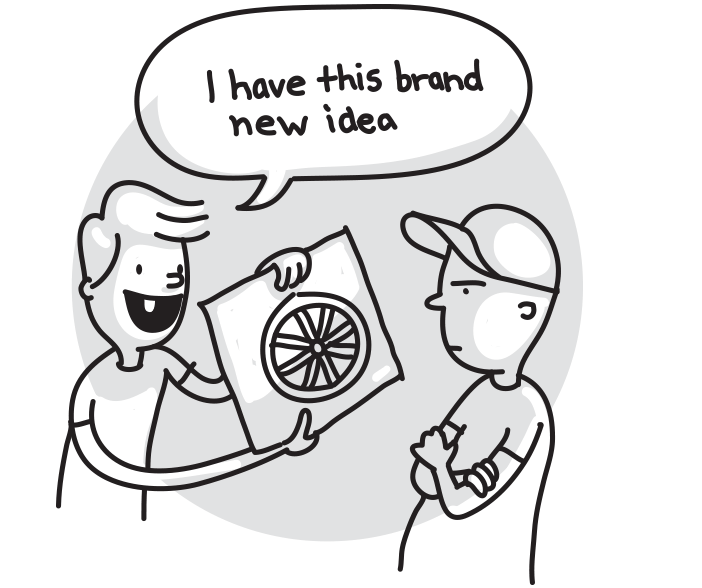
again, non-agnostic
type-safety is a must

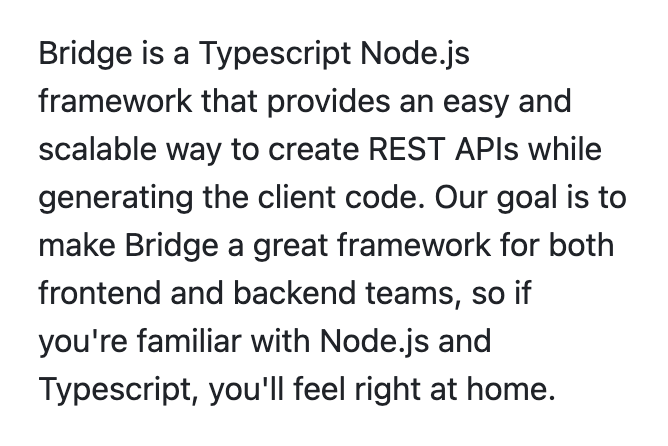

FETS
😌 Type-safety out of the box
🚀 No runtime overhead
🔎 IDE features
Summary

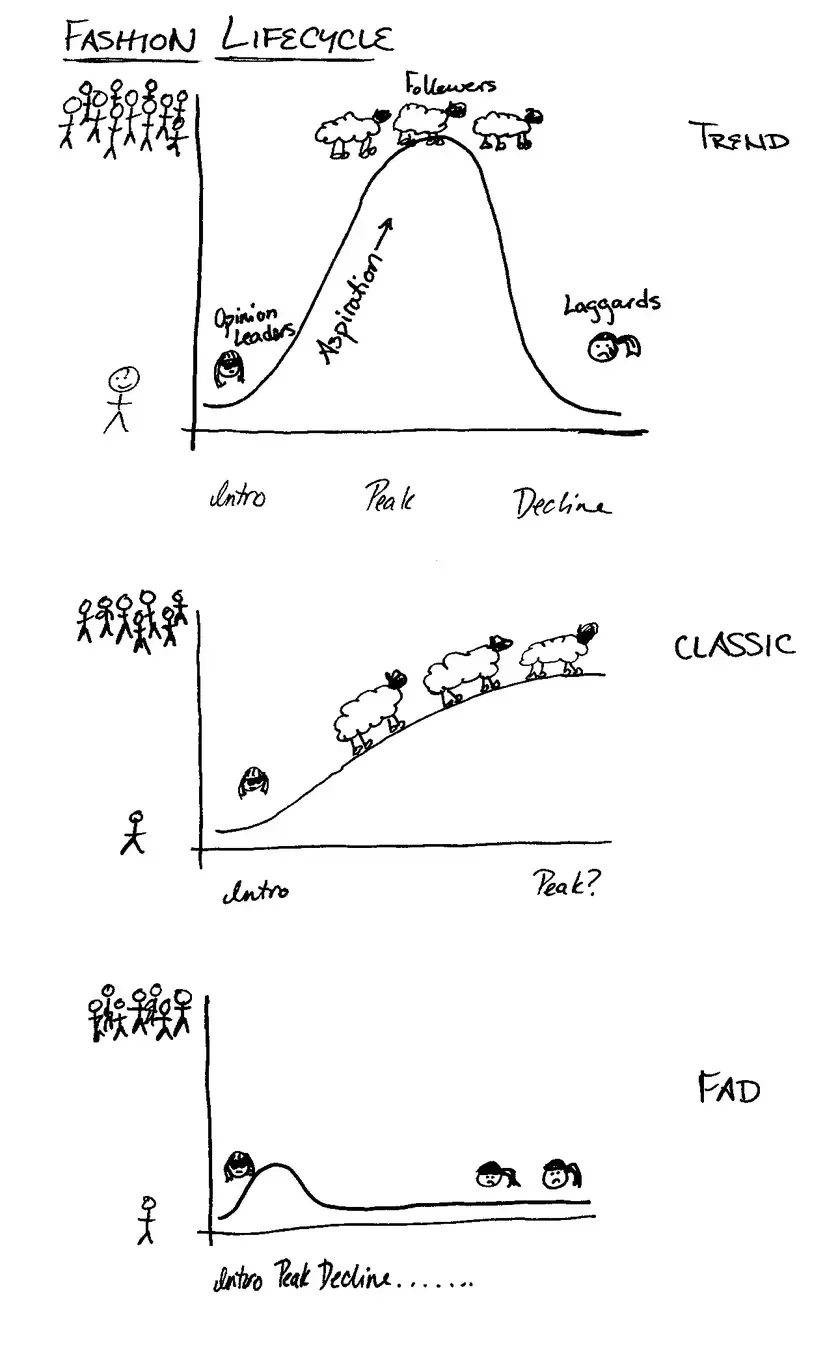
Source: http://www.ashleyedavidson.com/blog/the-history-of-fashion-diffusion-in-pictures
Know your options

Take what fits you

Thank you!
@aleksandrasays
www.aleksandra.codes

Future Frontend: API Evolution
By Aleksandra Sikora


